حلول هندسية مدعومة بالذكاء الاصطناعي

حلول هندسية مدعومة بالذكاء الاصطناعي

يبحث هذا البحث في تطوير نظام للحل الهندسي يعتمد على الذكاء الاصطناعي، يهدف إلى أتمتة عملية تحويل المشكلات إلى صيغ رياضية رسمية واقتراح النظريات اللازمة لحلها.

AI

ملخص الذكاء الاصطناعي

  • يبحث هذا البحث في تطوير نظام للحل الهندسي يعتمد على الذكاء الاصطناعي، يهدف إلى أتمتة عملية تحويل المشكلات إلى صيغ رياضية رسمية واقتراح النظريات اللازمة لحلها.
  • arXiv:2606.27926v1 Announce Type: new Abstract: Geometry Problem Solving have increasingly adopt the neuro-symbolic paradigm, combining neural intuition with symbolic rigor. However, current frameworks suffer from severe bottlenecks in two core stages: autoformalization, which treats multimodal translation as a static task decoupled from downstream solver compatibility, and theorem prediction, where solvers frequently hit a deductive impasse due to fixed rule libraries. To address these, we propose SD-GPS, a solver-driven framework that treats the symbolic solver as an execution oracle throughout both formalization and deduction. First, Solver-Driven Autoformalization unifies supervised formal-language adaptation and solvability-guided reinforcement learning into a single module built on QwenVL3-2B, making executability the central training signal. Second, Verified Theorem Proposing introduces an impasse-aware agent that proposes local auxiliary lemmas from current proof states, ensuring soundness by filtering all proposals through symbolic verification. Empirical evaluations on Geometry3K and PGPS9K demonstrate that SD-GPS consistently outperforms existing MLLM, neural, and neuro-symbolic methods across standard completion, multiple-choice, and cross-modal reference regimes, proving that closing the loop between multimodal perception and symbolic execution significantly improves geometric reasoning, offering profound insights into how neural agents can be grounded by formal systems to achieve verifiable problem-solving capabilities.

arXiv:2606.27926v1 Announce Type: new Abstract: Geometry Problem Solving have increasingly adopt the neuro-symbolic paradigm, combining neural intuition with symbolic rigor. However, current frameworks suffer from severe bottlenecks in two core stages: autoformalization, which treats multimodal translation as a static task decoupled from downstream solver compatibility, and theorem prediction, where solvers frequently hit a deductive impasse due to fixed rule libraries.

To address these, we propose SD-GPS, a solver-driven framework that treats the symbolic solver as an execution oracle throughout both formalization and deduction. First, Solver-Driven Autoformalization unifies supervised formal-language adaptation and solvability-guided reinforcement learning into a single module built on QwenVL3-2B, making executability the central training signal.

Second, Verified Theorem Proposing introduces an impasse-aware agent that proposes local auxiliary lemmas from current proof states, ensuring soundness by filtering all proposals through symbolic verification. Empirical evaluations on Geometry3K and PGPS9K demonstrate that SD-GPS consistently outperforms existing MLLM, neural, and neuro-symbolic methods across standard completion, multiple-choice, and cross-modal reference regimes, proving that closing the loop between multimodal perception and symbolic execution significantly improves geometric reasoning, offering profound insights into how neural agents can be grounded by formal systems to achieve verifiable problem-solving capabilities.
اقرأ أيضا

انطلاق كلاود ساينس مع دعم إنفيديا الذكاء الاصطناعي

انطلاق كلاود ساينس مع دعم إنفيديا

أطلقت شركة أنثروبيك النسخة التجريبية العامة من منصة كلاود ساينس المدعومة بأداة إنفيديا بيونيمو، لتسريع الأبحاث الحاسوبية في علوم الحياة.

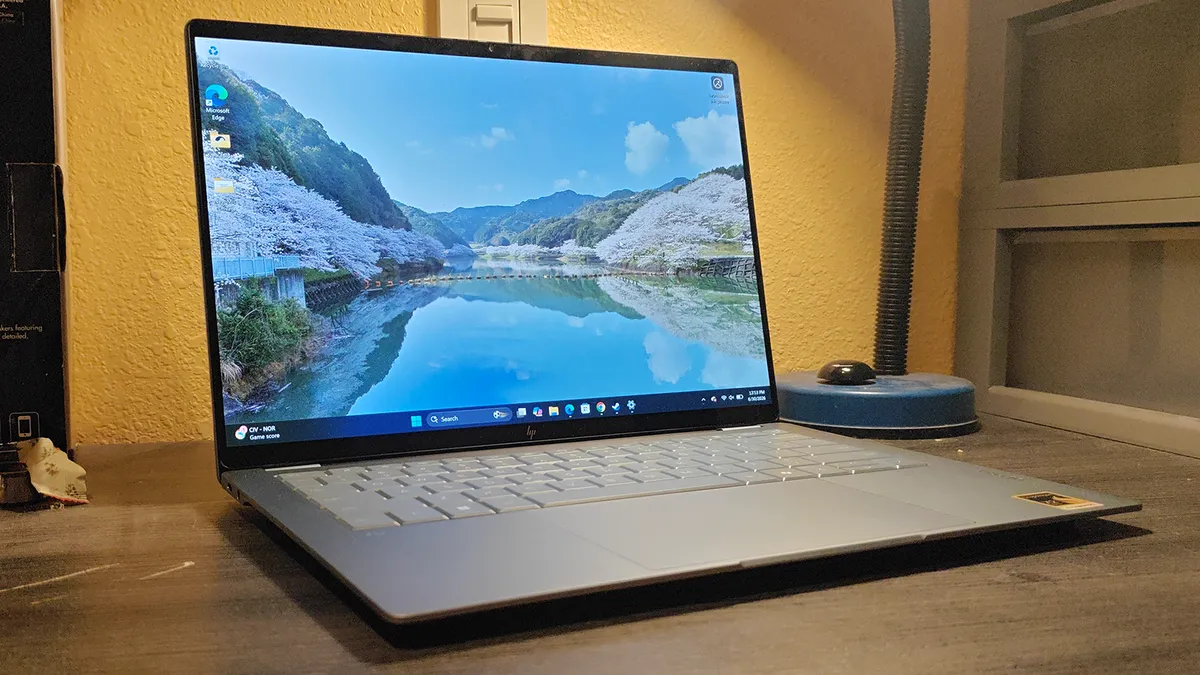
أومني بوك ألترا 14 من إتش بي: خيار ذكي في السوق الحالي الذكاء الاصطناعي

أومني بوك ألترا 14 من إتش بي: خيار ذكي في السوق الحالي

أطلقت شركة إتش بي جهاز أومني بوك ألترا 14 الجديد الذي يجمع بين التصميم الأنيق وشاشة OLED والأداء القوي الموجه للمحترفين.

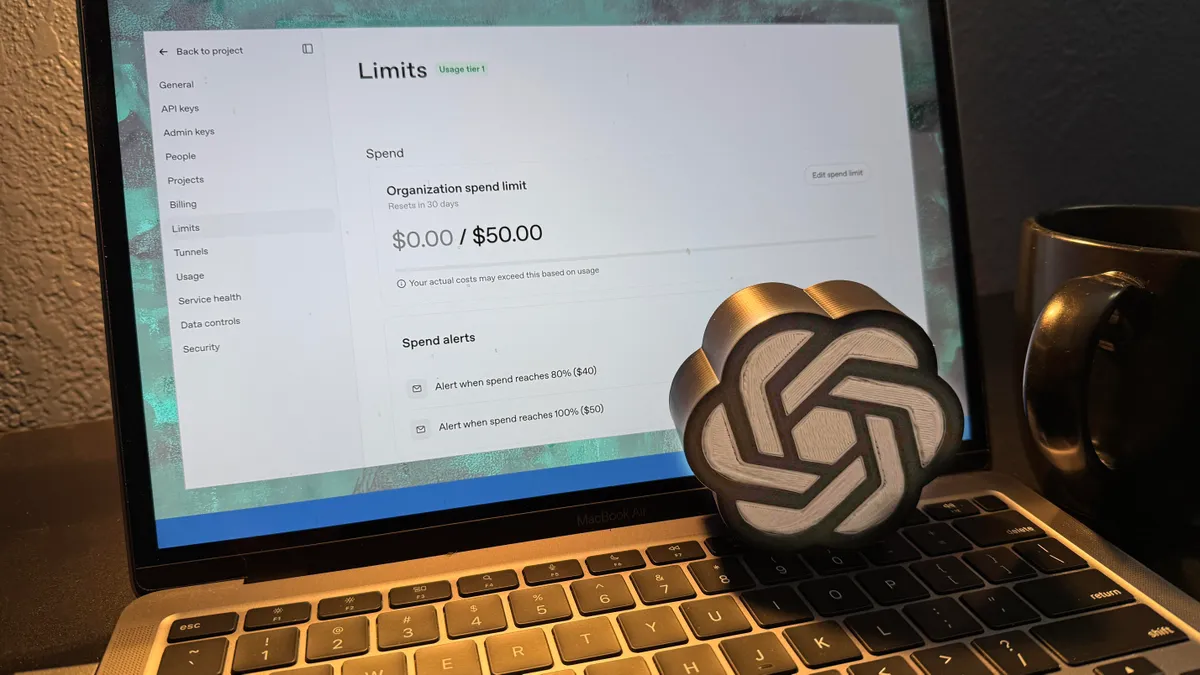
كيف تتحكم في تكاليف واجهة OpenAI API الذكاء الاصطناعي

كيف تتحكم في تكاليف واجهة OpenAI API

يشرح المقال كيفية ضبط حدود إنفاق واجهة برمجة تطبيقات OpenAI لتجنب الفواتير غير المتوقعة الناتجة عن سلوك الوكلاء الذكية.