تدريب الروبوتات على التخمين الذكي

تدريب الروبوتات على التخمين الذكي

الباحثة الحاصلة على جوائز تُدرّب الروبوتات على اتخاذ تخمينات مبنية على استدلال ذكي في ظل عدم اليقين.

AI

ملخص الذكاء الاصطناعي

  • الباحثة الحاصلة على جوائز تُدرّب الروبوتات على اتخاذ تخمينات مبنية على استدلال ذكي في ظل عدم اليقين.
  • دمج الاستدلال البشري مع الذكاء الاصطناعي لتحسين اتخاذ القرار الآلي
  • Yen-Ling Kuo always wanted to understand how things worked. When she was growing up in Taiwan, reading the story of Michael Faraday in elementary school piqued her curiosity about the natural world. During that time, she was introduced to Logo , a computer program with a turtle cursor to help children learn basic coding through hands-on experimentation. It was Kuo’s introduction to programming logic. Yen-Ling Kuo Employer University of Virginia in Charlottesville Title Assistant professor of computer science Member grade Member Alma maters National Taiwan University; MIT In high school she learned the capacity computers held. She could write programs that completed tasks independently, she realized. “Once I discovered how powerful computers could be,” she says, “I knew I wanted to focus on using them to solve real-world problems.” Kuo, an IEEE member, never lost her interest in the “how” behind processes and tools. Her curiosity, combined with a stint working at a Silicon Valley company, led her to focus on innovations that live at the intersection of cognitive and computer sciences. Kuo, now an assistant professor of computer science at the University of Virginia in Charlottesville, last year received the IEEE Robotics and Automation Society ’s inaugural Outstanding Women in Robotics and Automation Early Career Contribution Award . The award is part of the IEEE-RAS Women in Engineering’s Outstanding Women in Robotics and Automation (WiRA) Paper Awards , which promote excellence and recognize the impact that female researchers have on robotics and automation fields at different stages in their academic careers. Kuo’s winning paper, “ Diff-DAgger: Uncertainty Estimation with Diffusion Policy for Robotic Manipulation ,” demonstrates a novel method to help robots better id

Yen-Ling Kuo always wanted to understand how things worked. When she was growing up in Taiwan, reading the story of Michael Faraday in elementary school piqued her curiosity about the natural world. During that time, she was introduced to Logo , a computer program with a turtle cursor to help children learn basic coding through hands-on experimentation.

It was Kuo’s introduction to programming logic. Yen-Ling Kuo Employer University of Virginia in Charlottesville Title Assistant professor of computer science Member grade Member Alma maters National Taiwan University; MIT In high school she learned the capacity computers held. She could write programs that completed tasks independently, she realized.

“Once I discovered how powerful computers could be,” she says, “I knew I wanted to focus on using them to solve real-world problems.” Kuo, an IEEE member, never lost her interest in the “how” behind processes and tools. Her curiosity, combined with a stint working at a Silicon Valley company, led her to focus on innovations that live at the intersection of cognitive and computer sciences.

Kuo, now an assistant professor of computer science at the University of Virginia in Charlottesville, last year received the IEEE Robotics and Automation Society ’s inaugural Outstanding Women in Robotics and Automation Early Career Contribution Award . The award is part of the IEEE-RAS Women in Engineering’s Outstanding Women in Robotics and Automation (WiRA) Paper Awards , which promote excellence and recognize the impact that female researchers have on robotics and automation fields at different stages in their academic careers.

Kuo’s winning paper, “ Diff-DAgger: Uncertainty Estimation with Diffusion Policy for Robotic Manipulation ,” demonstrates a novel method to help robots better id

اقرأ أيضا

مقصورة تخييم مبتكرة بدون خشب تقنية المستقبل

مقصورة تخييم مبتكرة بدون خشب

شركة أمريكية تصنع مقصورة تخييم متنقلة صلبة ومبتكرة تعتمد على البلاستيك الحراري المدمج بدلاً من الألياف الزجاجية التقليدية، وتتميز بأنها لا تستخدم الخشب أو تسبب انبعاثات.

منزل صغير بذكاء تصميمي عالٍ تقنية المستقبل

منزل صغير بذكاء تصميمي عالٍ

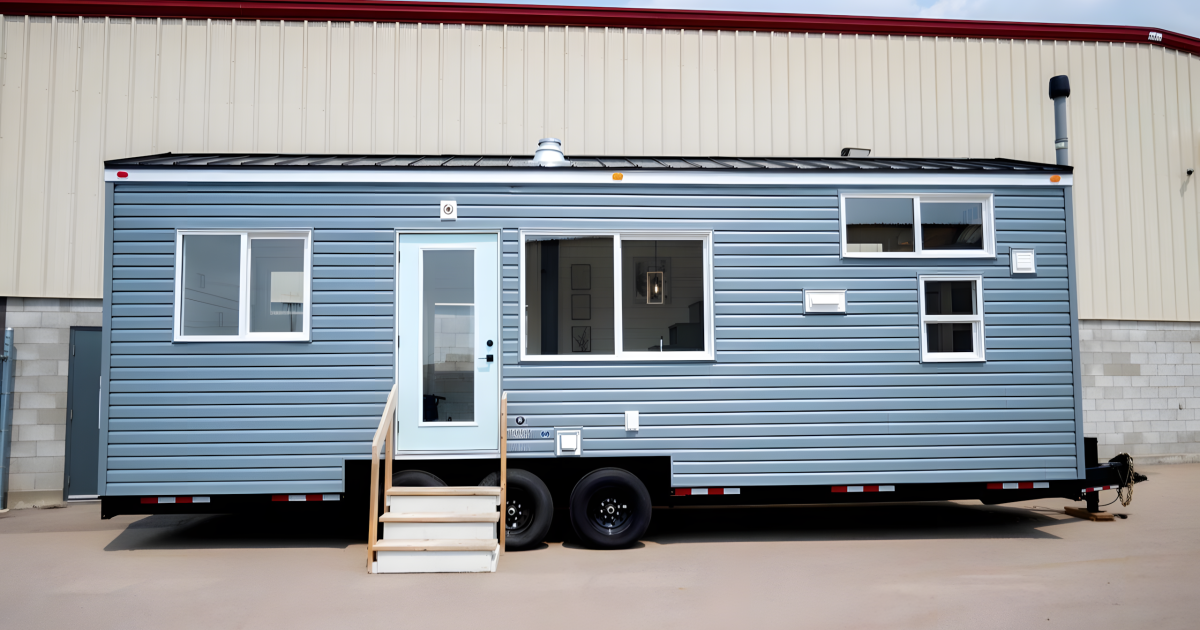
منزل صغير بطول 30 قدمًا يُبرز مرونة التصميم في المساحات الضيقة عبر تخطيط داخلي قابل للتكيف يضم مكتبًا وغرفتي نوم.

لماذا تُعد مهارات الإلقاء استثمارًا ذكيًّا؟ تقنية المستقبل

لماذا تُعد مهارات الإلقاء استثمارًا ذكيًّا؟

يُبرز المقال أهمية امتلاك مهارات الإلقاء أمام الجمهور كاستثمار استراتيجي لمحترفي التكنولوجيا في عصر يزداد فيه الاعتماد على التواصل الفعّال في بيئات العمل الحديثة.